Most high school athletes train in bursts. They work hard for a couple of months before the season, stop completely when games start, and show up the next year having lost most of what they built. The athletes who make steady progress year after year do something different. They train all year, and they change how they train as the calendar changes. Here is how to think about each phase.
The off-season: build
The off-season is where the real physical development happens. With no games to recover from, an athlete can handle more training and push harder.
- Priority: get stronger, get faster, fix weaknesses
- Strength: two to three sessions a week, progressing loads steadily with good technique
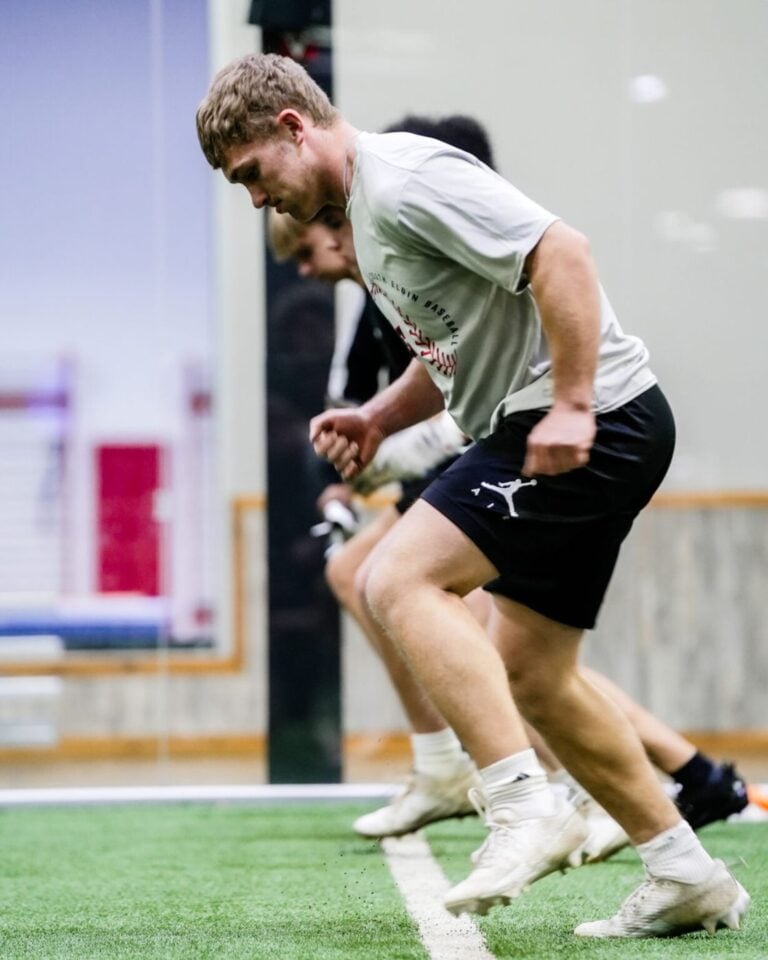
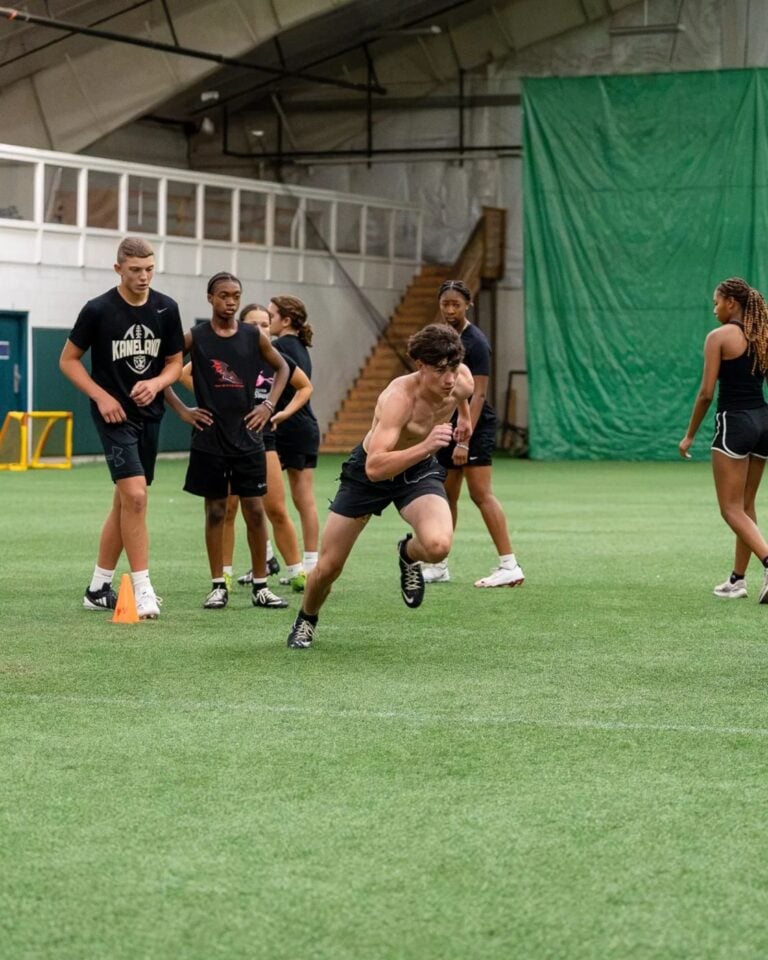
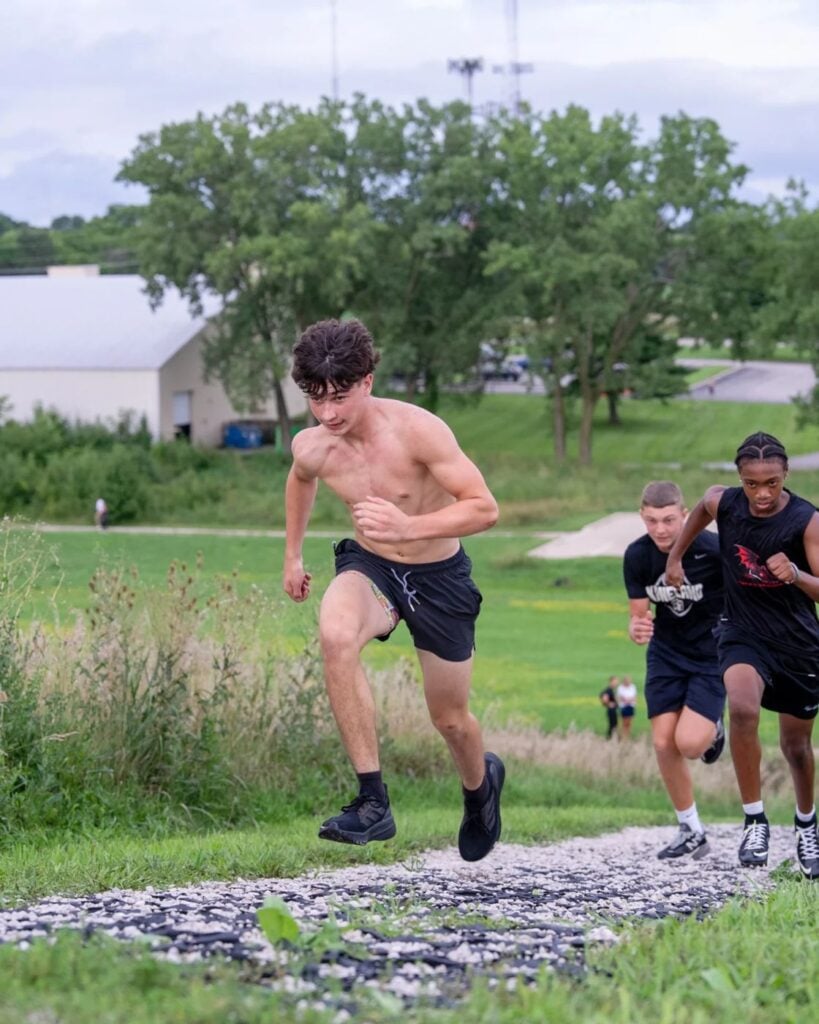
- Speed and agility: two to three sessions a week, focused on mechanics, acceleration and change of direction
- Mobility and movement quality: address whatever the season beat up
Start with a short break after the season ends. A week or two of lighter activity lets the body and mind reset. Then get to work. The off-season is shorter than it feels, especially for athletes who roll straight from one sport into club or travel seasons of another.
The pre-season: sharpen
In the four to six weeks before the season, the goal shifts from building to converting. The strength built over the winter or summer needs to show up as speed and power on the field or court.
- Keep the intensity high but trim the total volume
- Make speed and agility work look more like the sport: reactive drills, sport-specific distances and movement patterns
- Add conditioning that matches the demands of the game, rather than long slow running
- Arrive at the first practice fresh, not worn down from a last-minute cram
In season: maintain, do not stop
This is where most athletes go wrong. Practices and games take a lot out of the body, so training should be reduced. It should not disappear. An athlete who stops lifting in week one has usually lost strength by the playoffs, right when it matters most.
- One to two short sessions a week is enough to hold on to strength and speed
- Keep the weights reasonably heavy but the volume low. A few quality sets, not a marathon session.
- Schedule around games. The hardest training day goes furthest from competition.
- Prioritize recovery. Sleep, food and hydration do more in season than any extra workout.
In-season training also helps with durability. Tissue that keeps getting trained tends to hold up better through a long season than tissue that is only asked to survive games.
What about multi-sport athletes?
An athlete who plays fall, winter and spring sports never gets a traditional off-season. That is not a problem. Playing multiple sports builds a broad athletic base. It just means the plan has to be realistic.
- Treat the whole school year as “in season” and train once or twice a week, consistently
- Use the short gaps between seasons for a recovery week, then a few weeks of focused strength work
- Make summer the main building block
Consistency at a lower dose beats an ambitious plan that falls apart in October.
Common planning mistakes
- Doing nothing in season and starting from zero every year
- Trying to set personal records in the weight room during a heavy game week
- Skipping the post-season break and burning out by spring
- Piling private training on top of practices with no thought to total load
- Training the same way in January and in August
Planning the year at Dragons Den
A plan like this works best when a coach who knows the athlete is adjusting it week to week. At Dragons Den Sports Performance, our Advanced Athlete Performance Program is built for high school and collegiate athletes at every stage of their development, with coaches matching pace and intensity to where the athlete is. For rosters that want to train together, we also offer team training with programming tailored to the demands of the sport and season.
We train at 1000 S Kirk Rd in Geneva and 721 Martin Dr in South Elgin, with after-school high school speed and weight training classes that fit around practice. See the weekly schedule, read about our training programs, or talk to a coach about building a plan around your athlete’s seasons. For more on weekly structure, see our guide on how many days a week athletes should train speed and agility.