Tryouts are stressful. A few days of drills and scrimmages decide a whole season, and athletes often feel like it comes down to luck. It mostly does not. Coaches are looking for a fairly predictable set of things, and an athlete who prepares for those things walks in with a real advantage. Here is a practical checklist for the weeks before, the week of, and the day itself.
What coaches are actually watching
Skill matters, but it is rarely the whole decision, especially for the last few roster spots.
- Effort that does not switch off. Sprinting between drills, finishing every rep, hustling after mistakes.
- Coachability. Eye contact, listening the first time, and applying a correction on the next rep.
- Athleticism. Speed, quickness and the ability to change direction stand out in every sport.
- Conditioning. The athlete who still looks sharp at the end of a session gets noticed.
- Body language. How an athlete responds to a bad play tells a coach a lot.
- Being a good teammate. Encouraging others, communicating, doing the unglamorous jobs.
Six to eight weeks out: build the engine
Fitness cannot be crammed. If tryouts are a couple of months away, this is the time to do the real work.
- Two to three strength sessions a week covering legs, hips, trunk and upper body
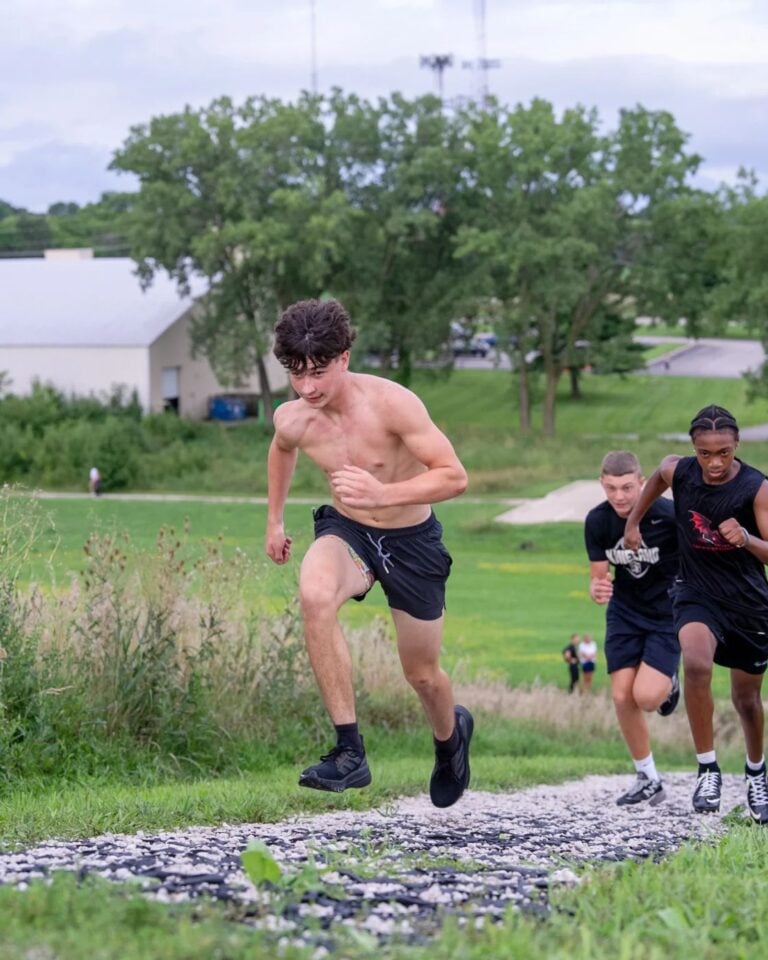
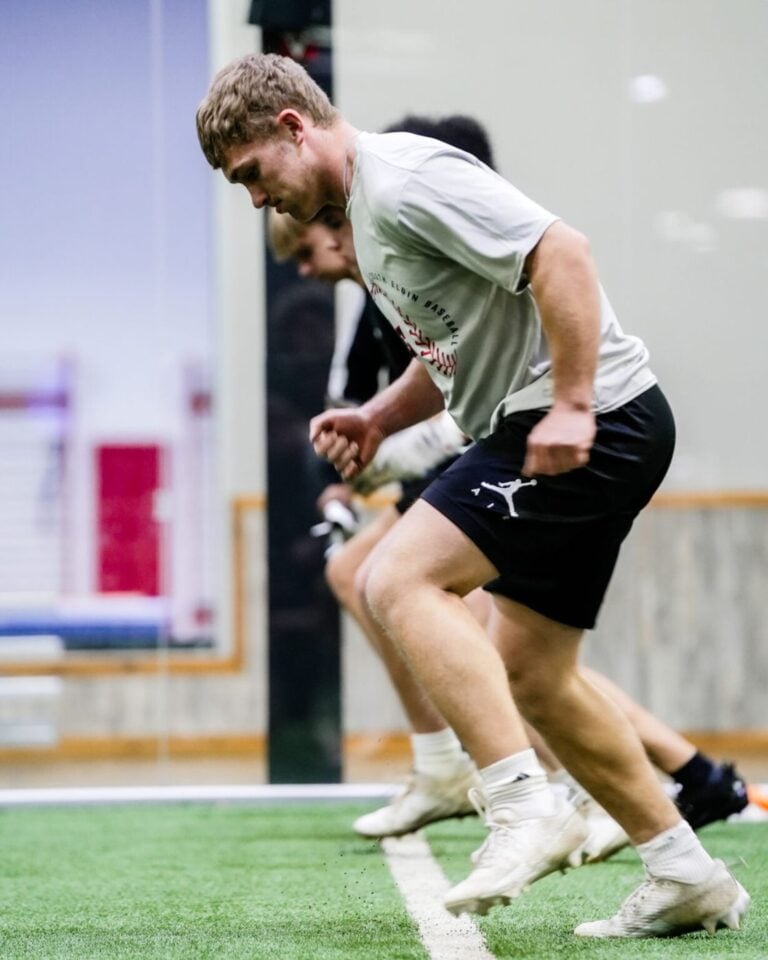
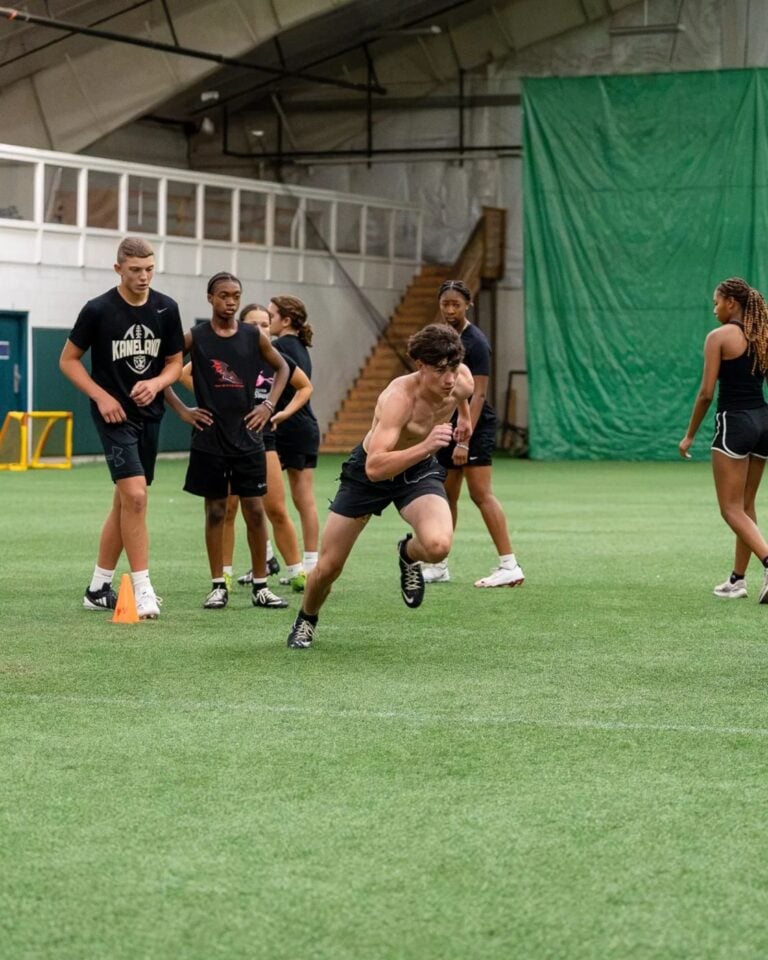
- Two to three speed and agility sessions focused on acceleration and cutting
- Conditioning that resembles the sport: repeated short bursts with brief rest, not just long jogs
- Regular skill work so the ball, stick or racket feels natural under fatigue
If you are not sure how to structure this, an evaluation with a performance coach will show you where the biggest gaps are so you spend the time where it counts.
Two weeks out: sharpen
- Keep the intensity but reduce the volume so the body freshens up
- Practice the specific tests you expect: timed sprints, shuttle runs, sport drills
- Get your sleep schedule in line with the tryout time
- Break in any new shoes or equipment now, not on the day
The week of: arrive fresh
- No punishing workouts. The work is done.
- Eat normal, familiar meals and drink water throughout the day
- Pack your bag the night before: gear, water, a snack, any required forms or physicals
- Aim for eight or more hours of sleep, especially two nights before
Tryout day
- Arrive early and warm up properly on your own
- Go to the front of the line. Coaches notice who wants to go first.
- Be loud in a useful way: call for the ball, communicate on defense
- After a mistake, sprint to the next play. The recovery is what coaches remember.
- Thank the coaches on the way out
Common mistakes that cost roster spots
- Starting to train the week before
- Coasting through drills and only turning it on for the scrimmage
- Arguing calls or showing frustration
- Trying to do too much instead of doing the simple things well
- Standing at the back and hoping to be noticed
For parents
The most useful thing to say before a tryout is short: work hard, listen, have fun. Avoid a list of technical reminders in the car. Afterward, ask what they enjoyed before you ask how they did. Whatever the result, the habits an athlete builds preparing for a tryout carry into the next one.
Getting ready with Dragons Den
If tryouts are coming up and you want a plan, Dragons Den Sports Performance can help. Our one-on-one sessions are built entirely around the individual athlete: their sport, their goals, and the specific areas holding them back. It is the most direct way to prepare for a tryout or season. We also run group classes for youth and high school athletes at two facilities, 1000 S Kirk Rd in Geneva and 721 Martin Dr in South Elgin, close to Batavia, St. Charles and Elgin.
See the class schedule, read about one-on-one training and our programs, or tell a coach when tryouts are and what sport, and we will help you work backward from the date.