It is one of the most common questions we hear from parents: is my kid too young for this? The honest answer is that there is no magic birthday. Children are building movement skills from the moment they start running around the backyard. The real question is not when to start, but what the training should look like at each age. Get that right, and a young athlete builds a foundation that every sport benefits from.
Younger kids: make it play, teach the basics
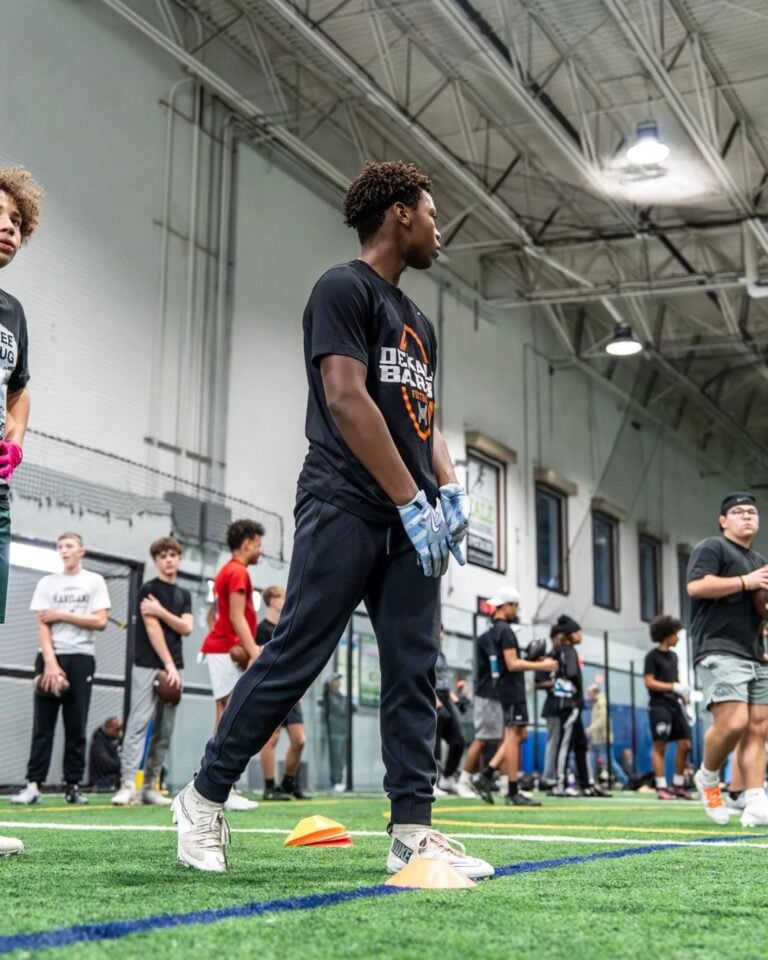
For elementary-age kids, speed and agility training should look a lot like organized play. Tag games, relay races, skipping, hopping, jumping and landing, throwing and catching. Underneath the fun, a good coach is teaching real skills.
- How to run with good posture and relaxed arms
- How to stop under control instead of stumbling to a halt
- How to land softly from a jump
- How to change direction without the knees collapsing inward
At this age, variety is the goal. Kids who play several sports and move in lots of different ways tend to develop a bigger movement vocabulary than kids who specialize early. Sessions should be short, upbeat, and free of heavy conditioning. Nobody needs to be running a ten-year-old into the ground.
Middle school: the window opens
Somewhere around middle school, athletes become ready for more structure. They can focus longer, take coaching cues, and start to understand why a drill is done a certain way. This is a great time to introduce:
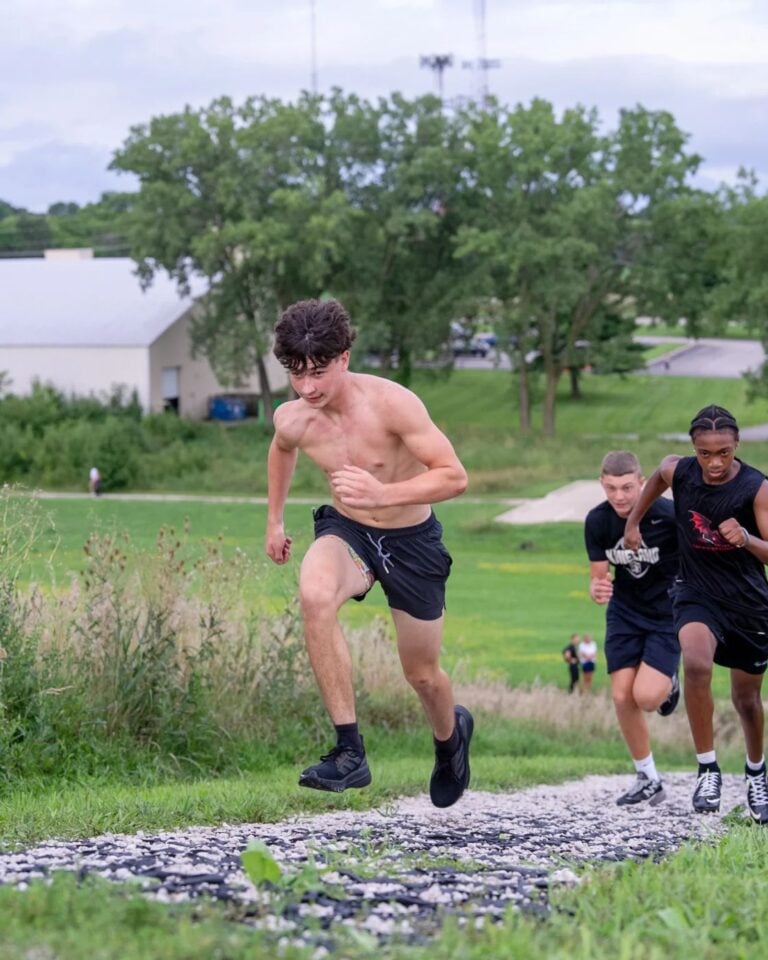
- Sprint mechanics, including acceleration posture and arm action
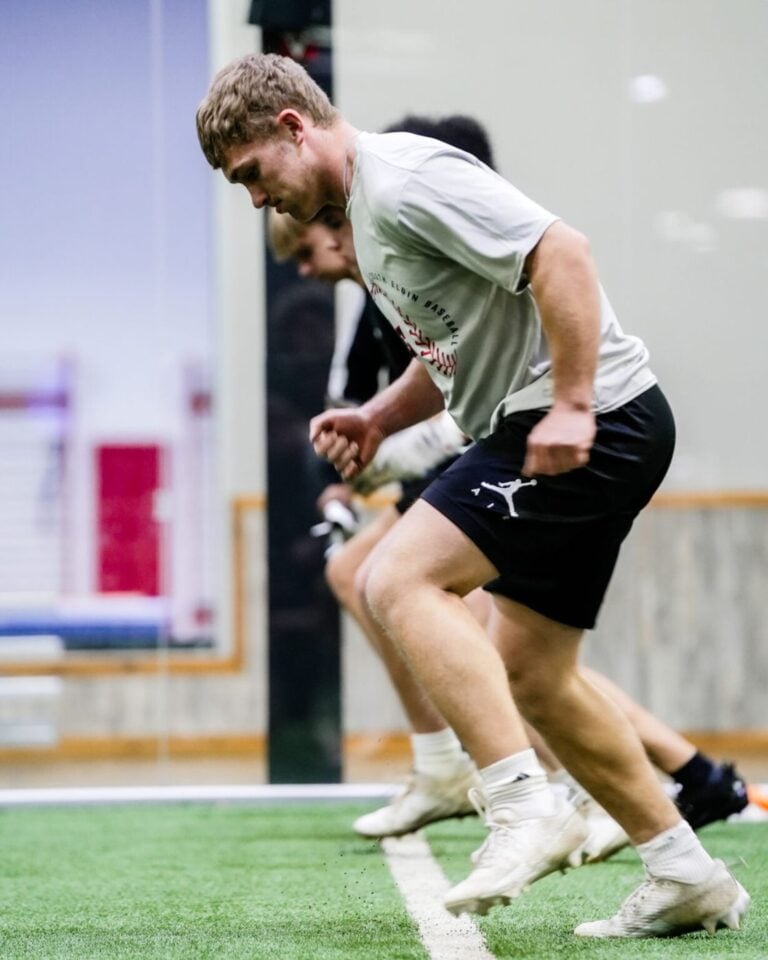
- Deceleration and cutting technique
- Bodyweight strength work: squats, lunges, push-ups, planks, and hanging or pulling movements
- Basic jumping and landing progressions
Growth spurts complicate things. An athlete who grows several inches in a year can suddenly look uncoordinated, because their limbs changed faster than their control did. That is normal. It is also exactly when consistent coaching on movement quality pays off, because it helps the athlete grow into the new frame.
High school: train like an athlete
By high school, most athletes are ready for a full performance program: structured speed work, change of direction, and progressive strength training with proper technique. The focus shifts from learning how to move to producing more force and using it at game speed. How hard an athlete trains should follow their training experience, not just their grade. A freshman who has never lifted should not be loaded like a senior with three years in the weight room.
Signs your child is ready for structured training
- They can listen to instructions and stay engaged for most of an hour
- They want to be there. Forced training rarely sticks.
- They are playing a sport, or want to, and are curious about getting better
- They can handle being coached and corrected without shutting down
If most of those are true, age matters much less than the quality of the coaching they walk into.
What to avoid at any age
- Adult workouts shrunk down. Kids are not small adults, and their sessions should not be copied from a college program.
- Conditioning disguised as speed work. Exhaustion is not the same as improvement.
- Too much, too soon. More sessions is not automatically better, especially during a busy sport season.
- Programs with no evaluation. If nobody looks at how your child moves before training starts, the plan is a guess.
Youth training at Dragons Den
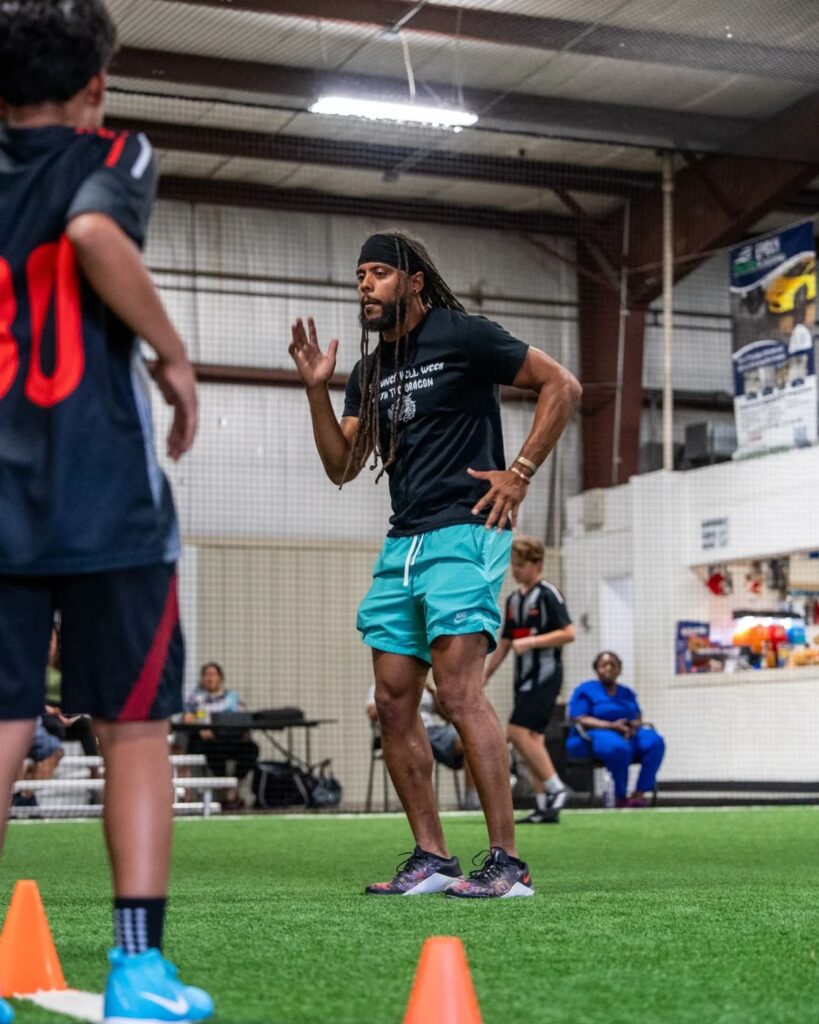
At Dragons Den Sports Performance, we run youth classes at our Geneva facility at 1000 S Kirk Rd, and a youth speed program on Wednesday evenings at our South Elgin facility at 721 Martin Dr, which is convenient for families in South Elgin, Elgin, Bartlett and St. Charles. Current times for both locations are on the weekly class schedule.
You can read more about how our programs are structured on the training programs page, or contact a coach with your child’s age and sport and we will point you to the right starting place.